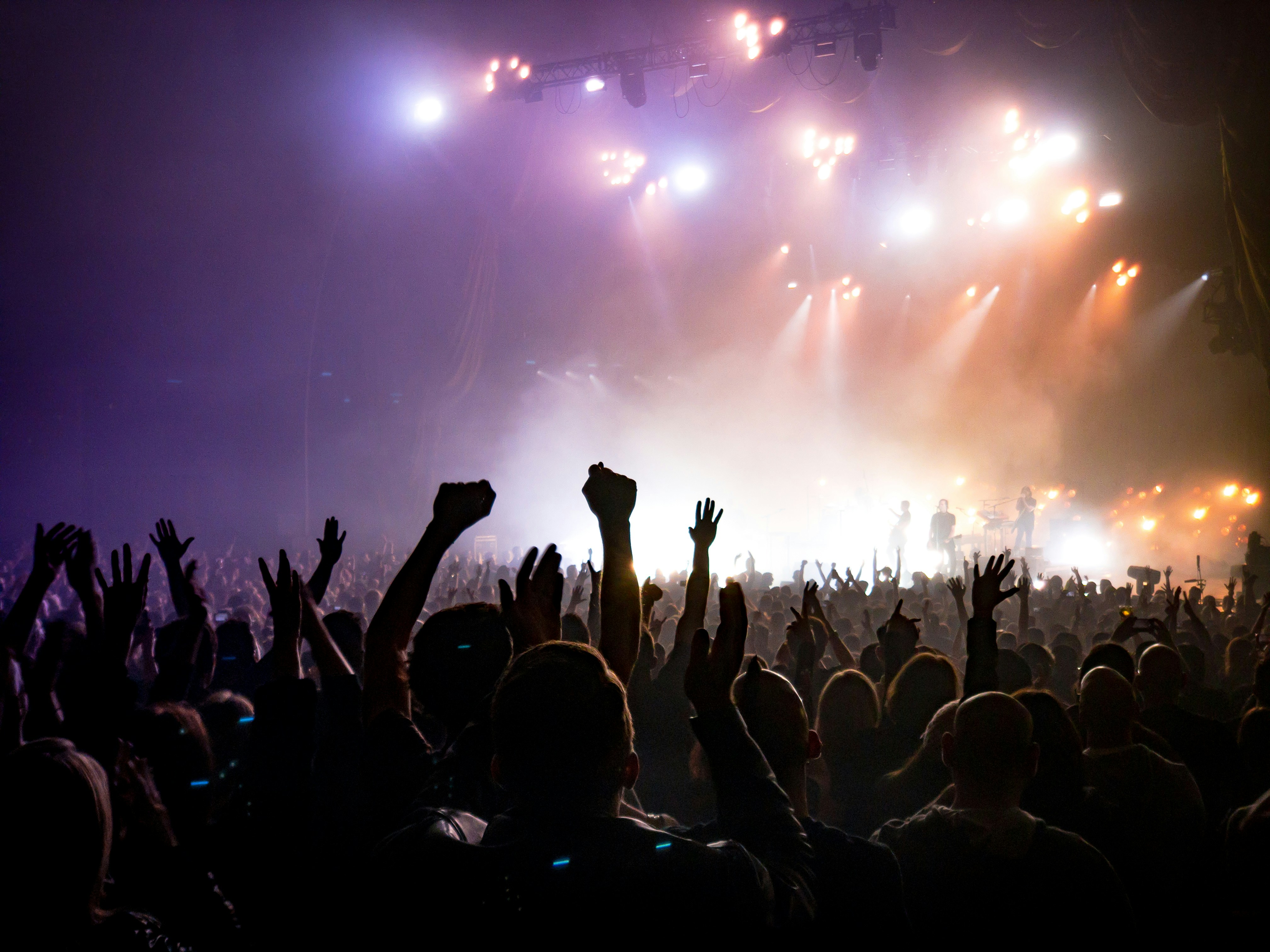
Taylor Swift has brought her record-breaking Eras Tour to London, initiating a series of sold-out performances at Wembley Stadium this week that have captivated the nation. The arrival of the global superstar has not only impacted the music industry but has also created a significant economic ripple effect across the United Kingdom. From local artisans to high-end hospitality venues, businesses are reporting unprecedented demand as hundreds of thousands of fans descend upon the capital. This cultural moment has become a primary focus for digital storytellers and marketers alike, as they seek to align their messaging with the heightened public interest.
The tour has become a cultural and economic phenomenon, significantly impacting the UK hospitality and media sectors during a crucial period for the domestic economy. Known amongst economists as Swiftnomics, the presence of the singer has been linked to measurable spikes in local consumer spending and tourism. This phenomenon highlights the unique intersection of celebrity influence and tangible economic growth, where a single individual can influence the financial performance of entire cities. For the creator community, the tour provides a wealth of narrative opportunities and a backdrop for high-engagement content that resonates globally.
Economists at Barclays have estimated that the tour will contribute approximately £997 million to the UK economy through tickets, travel, accommodation, and merchandise. Furthermore, social media analytics platforms have recorded a 300 per cent increase in UK-based mentions of the tour, with creators seeing record-high engagement rates on Eras-related content. A spokesperson for the London Mayor’s office noted that the city has seen a 15 per cent rise in hotel occupancy compared to the same period last year. These figures demonstrate the sheer scale of the celebrity economy and its ability to drive massive, quantifiable engagement across digital and physical spaces.
Creators and entrepreneurs should recognise the power of alignment with major cultural moments to drive significant engagement and brand awareness. By producing content that taps into these shared experiences, influencers can expand their reach and demonstrate their relevance to a broader audience. This situation also presents an opportunity for brand marketers to practise agile marketing, pivoting their strategies to coincide with high-traffic events. Understanding the psychology behind these mass cultural events is essential for anyone looking to build confidence and authority within the competitive lifestyle and entertainment sectors.
The success of the Eras Tour suggests that high-production, live experiences will continue to dominate the attention economy for the foreseeable future. As consumers increasingly prioritising experiences over products, creators who can offer a unique perspective on these events will remain highly sought after. We can expect more brands to invest in experience-led marketing campaigns that leverage the influence of major celebrities and creators to reach target demographics. The integration of live events and digital content strategy is set to become a standard practice for ambitious personal brands.